There is no doubt that, for most types of photography, autofocus is superior to manual focus. This is especially true on modern mirrorless cameras, which have incredibly fast and accurate autofocus and almost never suffer from the front- or back-focusing issues that DSLRs once did. Yet, I still enjoy using manual-focus lenses. Partly because I grew up using them, and partly because there is a plethora of vintage and recently released Chinese manual-focus lenses that are simply fun to use.
The good thing is that modern mirrorless cameras, with features like focus peaking and digital magnification, work well with manual-focus lenses. However, the experience always felt like something was missing. It must have been the satisfaction of combining two separate images into one using a split-image rangefinder or a split-prism focusing screen.
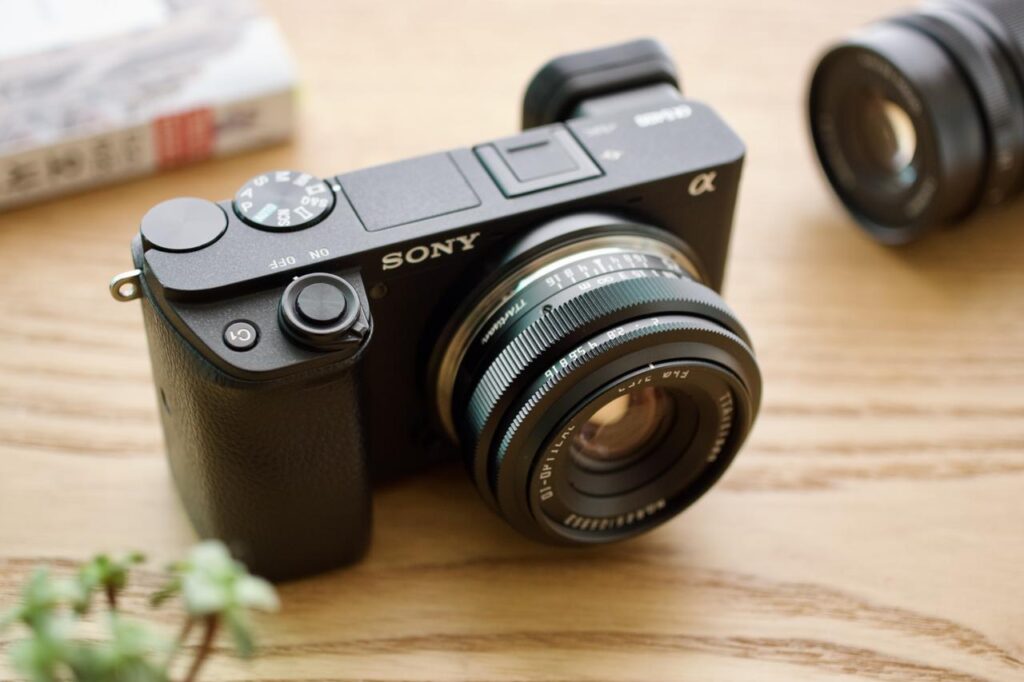
Some cameras in the Fujifilm X series try to mimic this experience with simulated split-image rangefinder and split-prism focusing aids. While they are very good representations, they are still just simulations, no more real than a flight simulator. They mimic the real thing well, but they cannot replicate that satisfaction.
Then I remembered reading, many years ago, that someone in Taiwan sold split-prism focusing screens for DSLRs. A quick Google search led me to the website, www.focusingscreen.com, and it seemed to be still operating. That gave me the urge to try one.
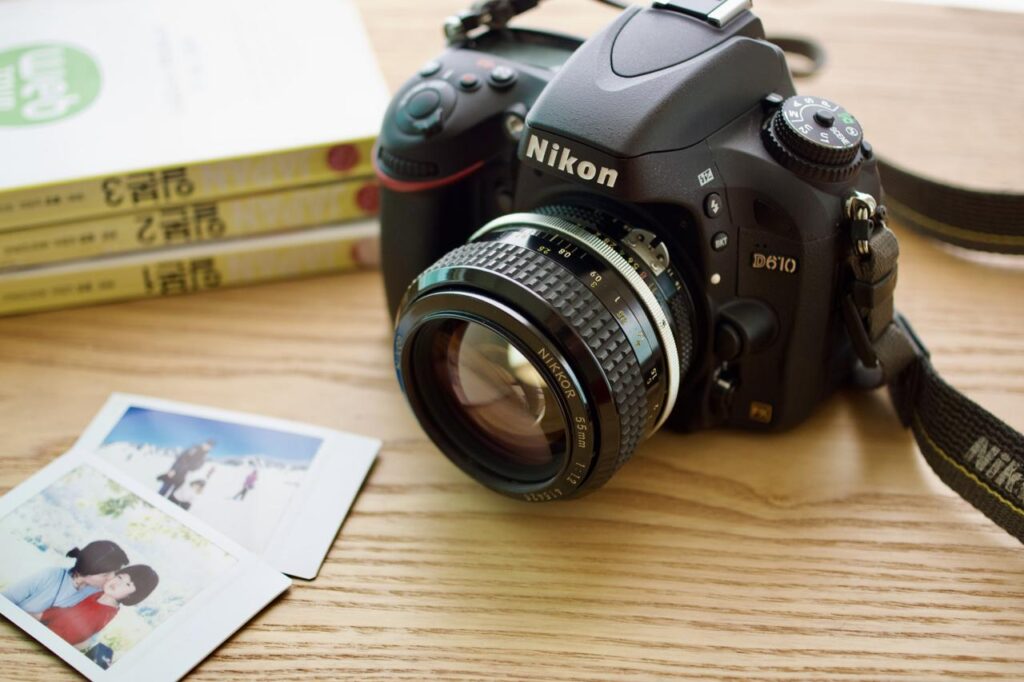
I purchased a used Nikon D610 and a Nikkor 55mm F1.2 AI. The 50mm F1.2 is the more popular lens, but the 55mm is much cheaper. If the focusing experience turns out to be as good as I expected, I could use the saved money to supplement the purchase of the 28mm F2.8 AI and 105mm F2.5 AI.
Now, I had to order the focusing screen, which was straightforward. First, select the camera (Nikon D610 in my case) and pick a focusing screen type. I went with the Eg-AF focusing screen, which has a horizontal split-prism.
About a week after placing the order, my package arrived. It was securely packed and came with all the necessary tools for replacement. I tried to follow the instructions on the focusingscreen.com homepage, but I found them confusing. Luckily, I was able to find this video on YouTube, which was much more helpful.
The process itself isn’t hard at all, but it involves working around fragile optics. If you aren’t careful, you can damage the focusing screen, the mirror, or the pentaprism. So just be patient, don’t rush, and be gentle.
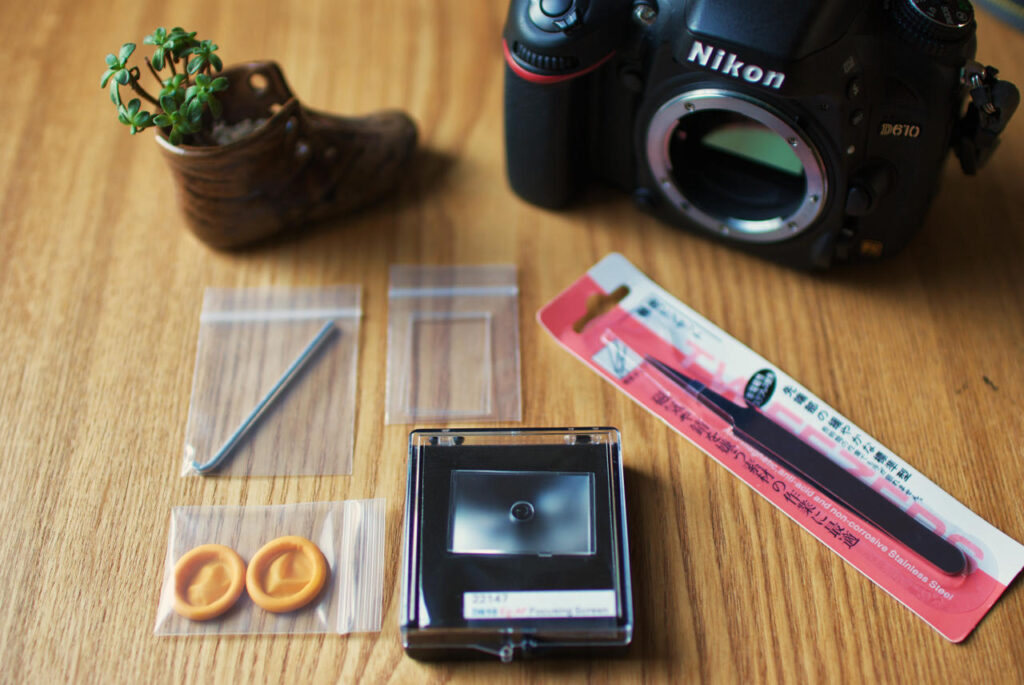
The focusing screen itself felt perfect. The thickness was spot on, and I did not experience any focus accuracy issues (the package does come with shims, in case thickness adjustment is required). As for brightness, I did not notice any meaningful change. Metering also worked perfectly in center-weighted mode, which is what I generally use.
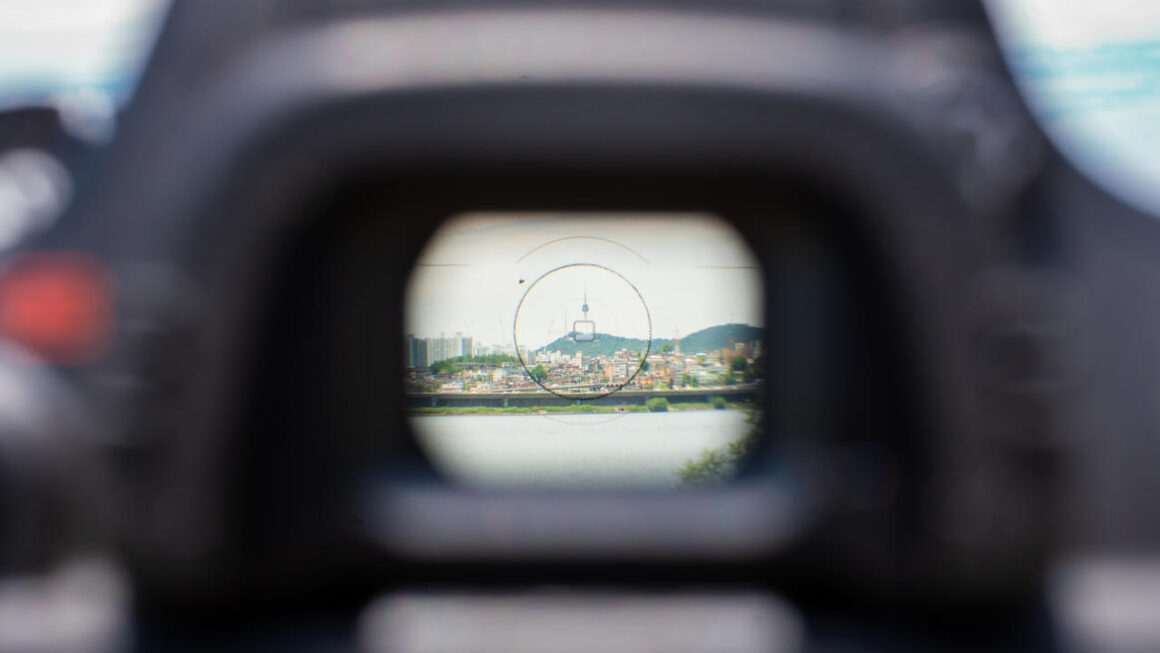
However, the overall experience wasn’t up to my expectations. First, the D610 viewfinder has an autofocus/spot-metering marking in the center. Despite replacing the focusing screen, the marking remains in the viewfinder and gets in the way of using the split-prism.
Second, the viewfinder on modern DSLRs is much smaller than those on most manual-focus film cameras, many of which had magnification ratios higher than 0.8x, with some coming close to 1.0x. On the other hand, the D610’s viewfinder only has 0.71x magnification, so the split-prism appears noticeably smaller.
Third, the focusing screens used in classic manual-focus SLRs had a darker matte field surrounding the brighter split-prism area, naturally drawing your eyes toward the center of the viewfinder. In contrast, the Eg-AF focusing screen, which is widely believed to be based on Canon’s DSLR focusing screen design, has a uniformly bright matte field, probably to better suit modern metering systems. As a result, the split-prism blends into the rest of the screen, making users hunt for it.
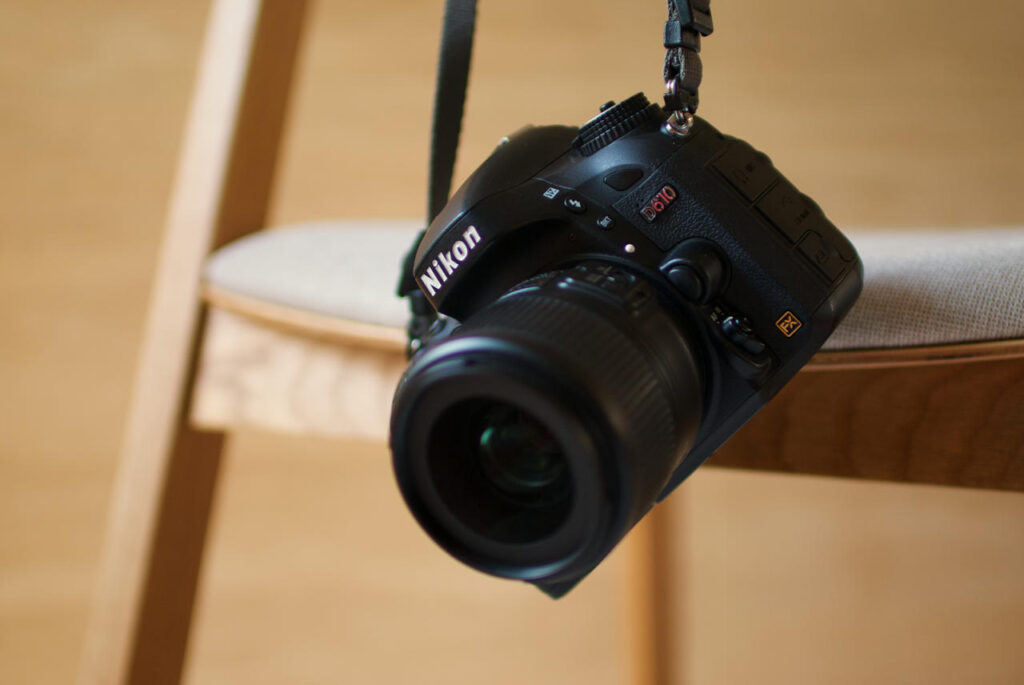
These factors made it quite hard for me to actually use the split-prism. It was still usable, and the focusing experience was better than without the split-prism, but not to the extent that I had hoped for.
To further improve the experience, I placed an order for the DK-21M magnifying eyepiece from a local camera store. It has a modest 1.17× magnification factor, which increases the D610’s viewfinder magnification to roughly 0.83x. I generally don’t like magnifying eyepieces because they introduce barrel distortion and make it more difficult to see the edges of the viewfinder. Still, if it made the split-prism easier to use, I was all in.
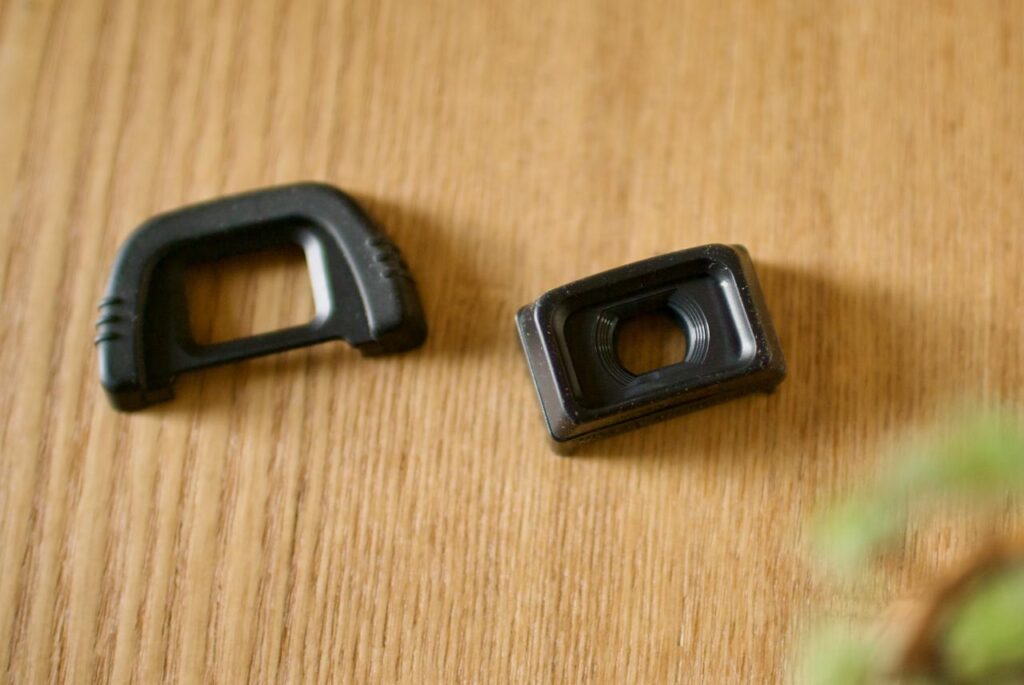
When I first opened the package, I was a little disappointed. Based on the name alone, I expected it to look very similar to the stock DK-21 eyepiece. Instead, not only was it thicker—which is understandable given the additional magnifying element—it also lacked the outer rubber. Without it, the camera looked somewhat incomplete. Despite its appearance, the DK-21M delivered exactly what I wanted, and actually performed better than I had expected.
First, the added magnification makes the split-prism much easier to use. While I still had to look for the split-prism area, the increased magnification made both finding it and actually using it much easier. It still didn’t feel quite like using a classic manual-focus SLR, but it was more than good enough to bring back the satisfaction.
Second, barrel distortion turned out to be much less of an issue than I had expected. It is there, but it is so minor that I can completely ignore it. The protruding design also keeps my nose from pressing against the back of the camera, which turned out to be a nice bonus.
There is one downside to using the DK-21M, though. The eyepoint is now slightly farther away, making it more difficult to see the entire viewfinder while wearing glasses. Then again, that was also part of the experience of using many older film SLRs. Thankfully, I have long made it a habit to wear contact lenses on photo walks, so it is not a major issue in my case.
It was a bit of a roller-coaster ride, but the ending was worth it. I am very happy that this focusing screen, even with the need for a magnifying eyepiece, managed to bring back the charm of manual focusing. Needless to say, I will now be keeping an eye on the used market for good deals on the Nikkor 28mm F2.8 and 105mm F2.5.
Here are a few sample photographs I took while preparing this review.